
Recent Posts


Understanding Pneumatic Conveying Systems in Agricultural Machinery
Release time:
Mar 14,2025
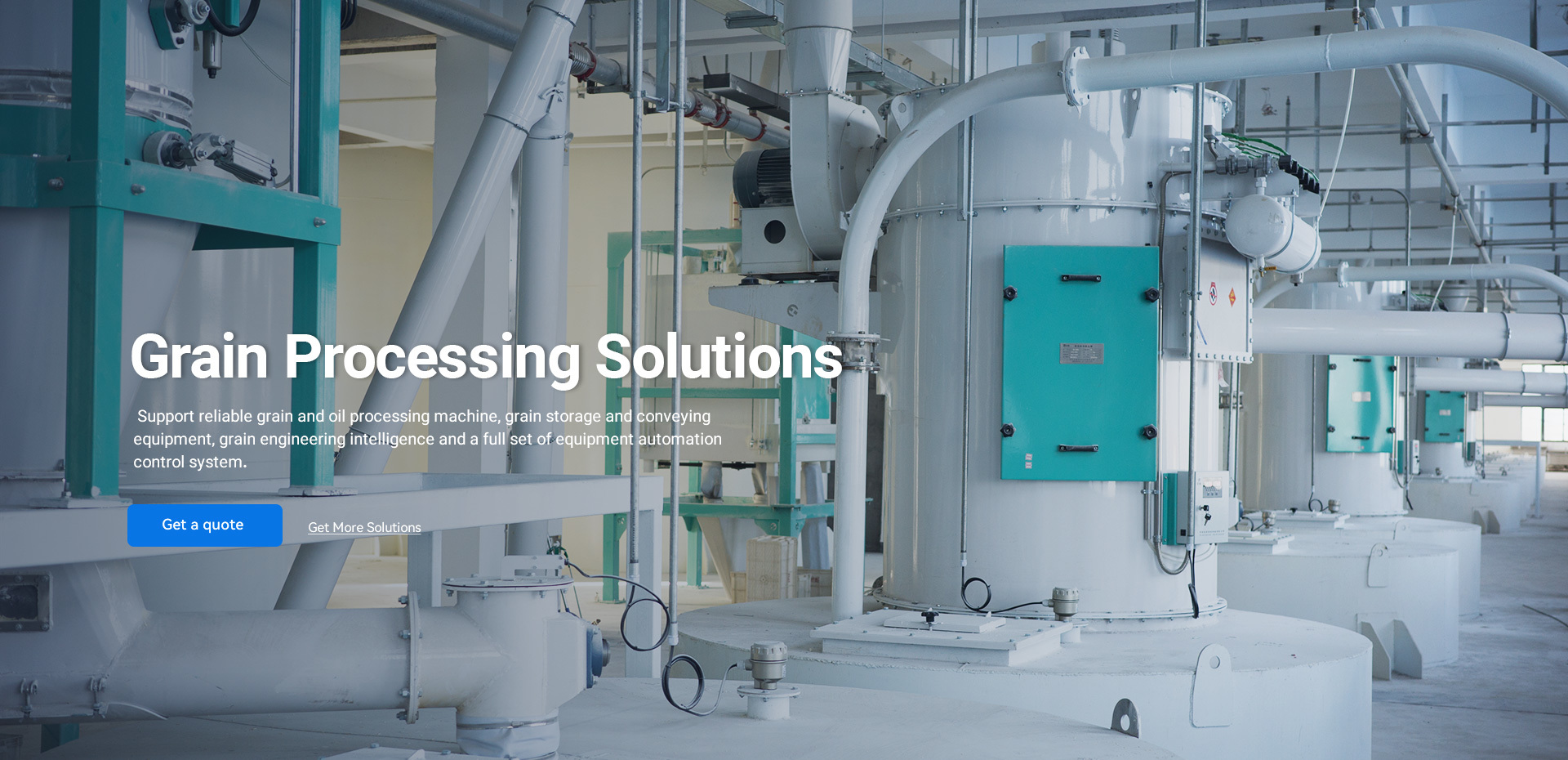
Pneumatic conveying systems utilize air to transport bulk materials from one location to another. This technology is particularly beneficial in the agricultural industry, where it is essential to move various materials such as grains, seeds, and fertilizers efficiently and with minimal contamination. By harnessing the power of air, these systems can convey materials over long distances and through
Pneumatic conveying systems utilize air to transport bulk materials from one location to another. This technology is particularly beneficial in the agricultural industry, where it is essential to move various materials such as grains, seeds, and fertilizers efficiently and with minimal contamination. By harnessing the power of air, these systems can convey materials over long distances and through complex routes, making them an ideal choice for farms and processing facilities.
One of the primary advantages of pneumatic conveying systems is their ability to reduce the need for manual handling of materials. In agricultural operations, this not only enhances safety by minimizing the risk of injuries associated with manual labor but also improves efficiency. By automating the transport of materials, workers can focus on other critical tasks, leading to increased productivity.
The operation of a pneumatic conveying system is relatively straightforward. It typically consists of a blower or air compressor, conveying pipelines, and various collection and discharge points. The process begins with the material being introduced into the conveying line, where the air flow generated by the blower moves the material through the pipeline. Different types of pneumatic conveying systems—such as dilute phase and dense phase systems—can be employed depending on the material's characteristics and the specific requirements of the operation.
In agricultural applications, the choice of a pneumatic conveying system can be influenced by several factors. The type of material being handled, the distance it needs to travel, and the overall layout of the facility all play critical roles in determining the best system for the job. For instance, lighter materials might be effectively moved using a dilute phase system, while denser materials may require a dense phase system to ensure efficient transport.
Another key benefit of pneumatic conveying systems is their versatility. They can be designed to handle various materials, including grains, powders, and pellets, making them suitable for a wide range of agricultural applications. Additionally, these systems are relatively low-maintenance, as they have fewer moving parts compared to other material handling systems. This reliability is crucial for agricultural operations, where downtime can lead to significant losses.
In conclusion, pneumatic conveying systems are integral to modern agricultural machinery, providing a streamlined solution for the efficient transport of bulk materials. Their ability to enhance productivity, improve safety, and adapt to various materials makes them an invaluable asset in the agricultural sector. Understanding the principles and applications of these systems can help agricultural professionals make informed decisions that elevate their operations.
One of the primary advantages of pneumatic conveying systems is their ability to reduce the need for manual handling of materials. In agricultural operations, this not only enhances safety by minimizing the risk of injuries associated with manual labor but also improves efficiency. By automating the transport of materials, workers can focus on other critical tasks, leading to increased productivity.
The operation of a pneumatic conveying system is relatively straightforward. It typically consists of a blower or air compressor, conveying pipelines, and various collection and discharge points. The process begins with the material being introduced into the conveying line, where the air flow generated by the blower moves the material through the pipeline. Different types of pneumatic conveying systems—such as dilute phase and dense phase systems—can be employed depending on the material's characteristics and the specific requirements of the operation.
In agricultural applications, the choice of a pneumatic conveying system can be influenced by several factors. The type of material being handled, the distance it needs to travel, and the overall layout of the facility all play critical roles in determining the best system for the job. For instance, lighter materials might be effectively moved using a dilute phase system, while denser materials may require a dense phase system to ensure efficient transport.
Another key benefit of pneumatic conveying systems is their versatility. They can be designed to handle various materials, including grains, powders, and pellets, making them suitable for a wide range of agricultural applications. Additionally, these systems are relatively low-maintenance, as they have fewer moving parts compared to other material handling systems. This reliability is crucial for agricultural operations, where downtime can lead to significant losses.
In conclusion, pneumatic conveying systems are integral to modern agricultural machinery, providing a streamlined solution for the efficient transport of bulk materials. Their ability to enhance productivity, improve safety, and adapt to various materials makes them an invaluable asset in the agricultural sector. Understanding the principles and applications of these systems can help agricultural professionals make informed decisions that elevate their operations.
keywords

HOW CAN WE HELP ?
Get In Touch With Us!
Contact Information
Fax: +86-371-23227333
E-mail: global@aomgmach.com
Production base: Zongdian Industrial Zone, Qi County, Kaifeng City
Business license